
Avocado: Benefits and tips
What are avocados good for? Discover all the benefits of this superfruit
What are avocadoes good for?
Did you know that the avocado is also known as alligator pear or butter fruit? And even more important, avocadoes are a nutrient-dense superfruit, providing substantial amounts of nearly 20 vitamins, minerals, and other nutrients. Moreover, it has a relatively low caloric value, as 50g have around 80 calories.
 Avocados are packed with vitamins, minerals and other nutrients
Among micronutrients, avocado has significant amounts of vitamins K, E, C, pantothenic acid, folate, and potassium. Fiber is also present in avocadoes. However, the most remarkable part of the nutritional profile of the avocado, is that this fruit provides a substantial amount of healthy monounsaturated and Omega 3 fatty acids, the good fat that can help lower cholesterol levels and improve heart health. Furthermore, thanks to its fat content, avocado improves the good absorption of the fat-soluble vitamins that it contains (A, D, E, and K) along with antioxidants like carotenoids. For the same reason, it can increase the nutritional value of other plant foods in the same meal. One study showed that adding avocado in a salad or salsa increased the antioxidant absorption from 2.6 up to 15-fold.
 Adding avocado to your meals has lots of benefits
Some tips and things to keep in mind when buying, preparing, and eating avocado:
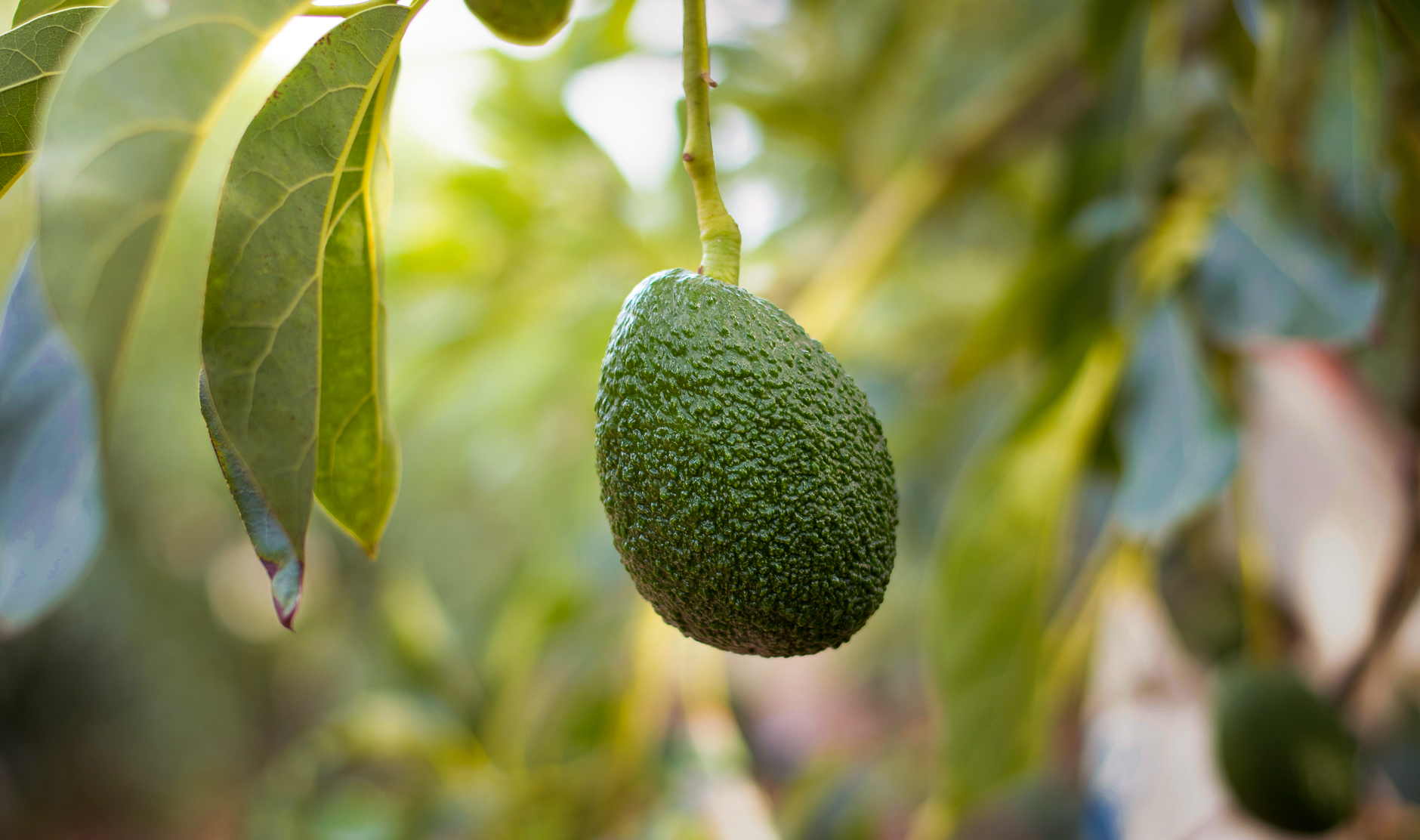
- There are multiple types of avocado, depending on their shape, and colour, from pear-shaped to round and from green to black. The most popular one is the Hass variety. The unripe fruit skin is vibrant green and as it starts to ripen it gets darker.
- When buying, check the firmness by
pressing the fruit gently with the fingers:
- Firm (unripe): it will take about 4-5 days to ripen and can be stored at room-temperature in a dark place.
- Slightly soft: it is in the process of ripening and will take about 2 days to reach its optimal status. It can be stored in the fridge.
- Soft: ready to eat.
- Pulpy or mashed: overripen.
- The ripening process can be sped up if you store the avocados in a paper bag along with an apple or banana in a dark place.
- If you want to slow down the ripening process, store the avocados in the fridge.
- Once cut, is should be sprinkled with lemon/lime juice or white vinegar, tightly wrapped in plastic, or placed in an airtight container and kept in the fridge.

Wait for the avocado to be ripe. It will be soft at touch.
References
- Dreher, M. L., Davenport, A. J. (2013). Hass avocado composition and potential health effects. Critical reviews in food science and nutrition, 53(7), 738-750.
- Zhao, C. N., Meng, X., Li, Y., Li, S., Liu, Q., Tang, G. Y., Li, H. B. (2017). Fruits for prevention and treatment of cardiovascular diseases. Nutrients, 9(6), 598.
- Abdelhamid, A. S., Brown, T. J., Brainard, J. S., Biswas, P., Thorpe, G. C., Moore, H. J., ... Hooper, L. (2020). Omega‐3 fatty acids for the primary and secondary prevention of cardiovascular disease. Cochrane Database of Systematic Reviews, (3).
- Kris-Etherton, P. M., Richter, C. K., Bowen, K. J., Skulas-Ray, A. C., Jackson, K. H., Petersen, K. S., Harris, W. S. (2019). Recent clinical trials shed new light on the cardiovascular benefits of omega-3 fatty acids. Methodist DeBakey cardiovascular journal, 15(3), 171.
- Sokoła-Wysoczańska, E., Wysoczański, T., Wagner, J., Czyż, K., Bodkowski, R., Lochyński, S., Patkowska-Sokoła, B. (2018). Polyunsaturated fatty acids and their potential therapeutic role in cardiovascular system disorders—A review. Nutrients, 10(10), 1561.

![¿Qué combinaciones de alimentos incrementan la absorción de nutrientes? [con ejemplos]](https://aifoodtech.aitalentum.com/uploads/cms/62ac2302693fba0b2cd2071819aea984.JPG)