
Tomatoes: benefits and tips
What are tomatoes good for? Discover all the benefits of eating this fruit
What are tomatoes good for?
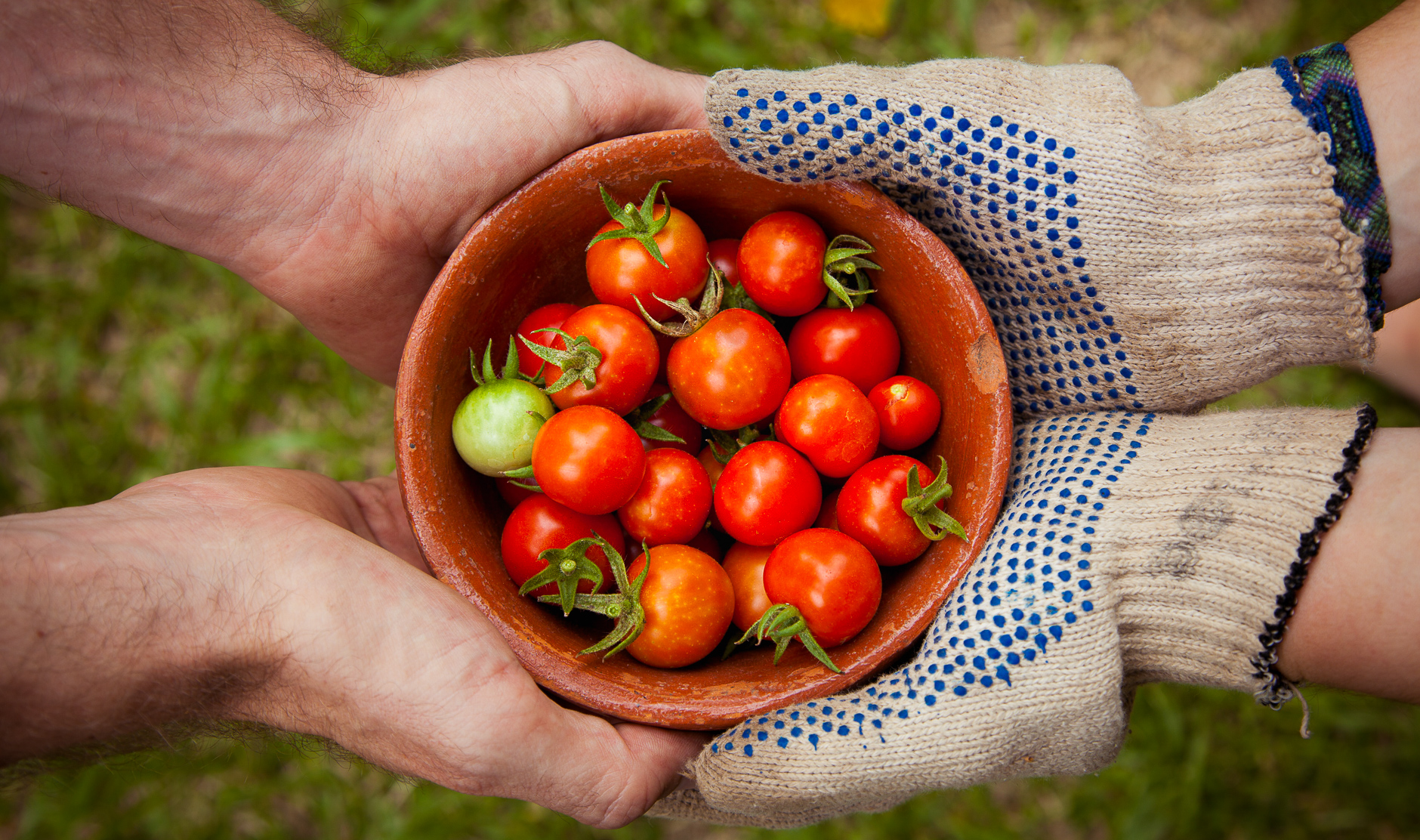
Tomatoes are eaten, prepared and treated like a vegetable, although they are botanically fruit. Despite this already known trivia fact, tomatoes are good for many other reasons. They are sources of dietary fiber and several vitamins and minerals. For example, they contain vitamin C, choline, Vitamin E, potassium, phosphorus, and magnesium. Moreover, they contain some bioactive compounds, among which we can highlight the carotenoid lycopene, which gives tomatoes their vibrant red colour.
In fact, tomatoes are the major dietary source of this
antioxidant compound which has been linked to many health benefits, including
reduced risk of certain types of cancer such as breast, prostate, lung and
stomach.
Tomato fruit consumption has also been associated with some benefits, such as a reduction of risk of chronic noncommunicable diseases, like cardiovascular diseases, hypertension, and obesity. Did you know that tomatoes are also beneficial for our skin, as they are thought to protect against sunburns?

Tomatoes can be good for our skin health
Some tips and things to keep in mind when buying, preparing, and eating tomatoes:
- When buying tomatoes, choose the ones with rich colours, well-shaped and smooth skinned with no wrinkles, cracks, bruises, or soft spots. Ripe tomatoes will yield to slight pressure and often have a noticeably sweet fragrance.
- The best place to store tomatoes depends on the degree of ripeness. Unripe or ready to eat tomatoes should be stored at room temperature and out of direct exposure to sunlight. To speed up the ripening process, they can be placed in a paper bag with a banana or apple. On the contrary, if they already seem a bit overripe, it is better to keep them in the refrigerator. In this case, they must be removed about 30 minutes before using to regain their maximum flavour and juiciness.
- Lycopene is found in the highest concentrations in the skin.
- Generally, the redder the tomato, the more lycopene it has.
- Cooking tomatoes increases the amount of lycopene available for the body.
 The lycopene available for our body can be increased by cooking the tomatoes
References
- Perveen, R., Suleria, H. A. R., Anjum, F. M., Butt, M. S., Pasha, I., Ahmad, S. (2015). Tomato (Solanum lycopersicum) carotenoids and lycopenes chemistry metabolism, absorption, nutrition, and allied health claims—A comprehensive review. Critical reviews in food science and nutrition, 55(7), 919-929.
- Rowles, J. L., Ranard, K. M., Smith, J. W., An, R., Erdman, J. W. (2017). Increased dietary and circulating lycopene are associated with reduced prostate cancer risk: a systematic review and meta-analysis. Prostate cancer and prostatic diseases, 20(4), 361-377.
- Karppi, J., Kurl, S., Mäkikallio, T. H., Ronkainen, K., Laukkanen, J. A. (2013). Serum β-carotene concentrations and the risk of congestive heart failure in men: a population-based study. International journal of cardiology, 168(3), 1841-1846.
- Palozza, P. A. O. L. A., Catalano, A., Simone, R. E., Mele, M. C., Cittadini, A. (2012). Effect of lycopene and tomato products on cholesterol metabolism. Annals of Nutrition and Metabolism, 61(2), 126-134.
- Aune, D., Chan, D. S., Vieira, A. R., Navarro Rosenblatt, D. A., Vieira, R., Greenwood, D. C., Norat, T. (2012). Dietary compared with blood concentrations of carotenoids and breast cancer risk: a systematic review and meta-analysis of prospective studies. The American journal of clinical nutrition, 96(2), 356-373.

![¿Qué combinaciones de alimentos incrementan la absorción de nutrientes? [con ejemplos]](https://aifoodtech.aitalentum.com/uploads/cms/62ac2302693fba0b2cd2071819aea984.JPG)