
Broccoli: benefits and tips
What is broccoli good for? Discover the benefits of this floral vegetable
What is broccoli good for?
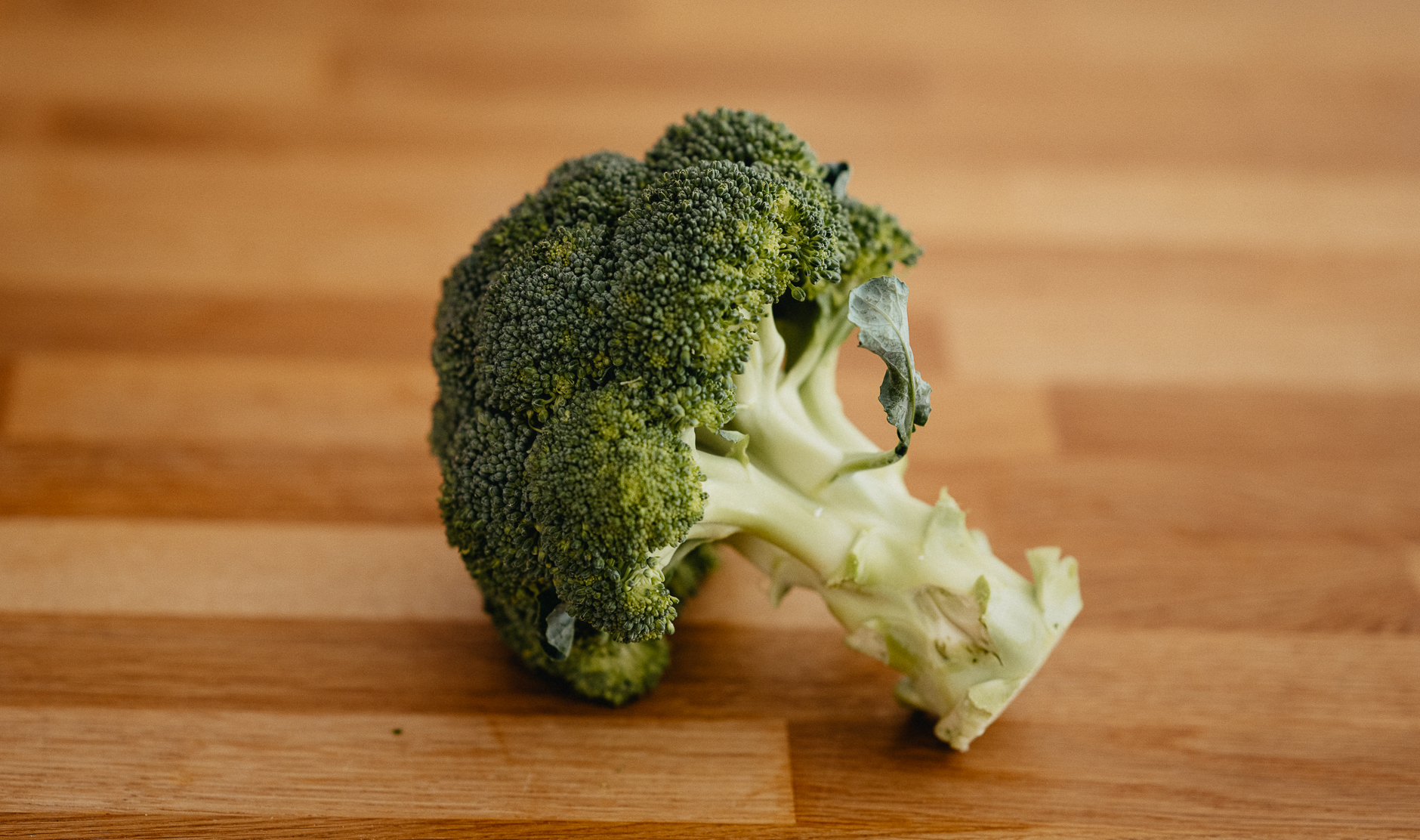
Broccoli is a floral vegetable with an impressive nutritional profile. Rich in fiber, it may support healthy bowel function and help in the digestion process. Still, raw, or cooked, broccoli is an excellent source of vitamin C, a nutrient known to support our bodies’ healthy immune response. Moreover, it contains vitamin B2, B3, B6, folate, vitamin A, and potassium.

Raw or cooked, broccoli is rich in Vitamin C
Packed with
plenty of health promoting compounds, broccoli also contains potentially
protective phytochemicals such as phenolics, carotenoids or glucosinolates.
These compounds, also present in other cruciferous vegetables, have gained much
attention in recent years, mainly because of their marked role in the
prevention of cardiovascular diseases and some kinds of cancer (breast, prostate, gastric/stomach, colorectal, renal/kidney or bladder).
Some other benefits that have been linked to broccoli consumption are protection against macular degeneration, reduction of inflammation in the body’s tissues, reduction of cell damage caused by certain chronic diseases and the improvement of the diabetic control.
 Even the stem of the broccoli can be eaten. Try it as a crunchy snack
Some tips and things to keep in mind when buying, preparing, and eating
broccoli:
- Heads must look bright green, with tight florets and firm stalks. The cut ends of the stalks should look fresh and moist looking.
- Clusters of the broccoli florets should be compact. The more open the florets, the older and closer to flowering they are.
- Store it unwashed in a plastic bag in the refrigerator. Consume within 7 days, or earlier if you notice any wilting commencing.
- Rise the broccoli just before using it. Its stem can be used as a crunchy, delicious, tender snack once the though exterior has been removed.
- Raw broccoli can be crispier if you soak it 10 minutes in cold water.
References
- Vasanthi, H. R., Mukherjee, S., Das, D. K. (2009). Potential health benefits of broccoli-a chemico-biological overview. Mini reviews in medicinal chemistry, 9(6), 749-759.
- Vanduchova, A., Anzenbacher, P., Anzenbacherova, E. (2019). Isothiocyanate from broccoli, sulforaphane, and its properties. Journal of medicinal food, 22(2), 121-126.
- Bessler, H., Djaldetti, M. (2018). Broccoli and human health: immunomodulatory effect of sulforaphane in a model of colon cancer. International journal of food sciences and nutrition, 69(8), 946-953.
- Abbaoui, B., Lucas, C. R., Riedl, K. M., Clinton, S. K., Mortazavi, A. (2018). Cruciferous vegetables, isothiocyanates, and bladder cancer prevention. Molecular nutrition food research, 62(18), 1800079.
- Higdon, J. V., Delage, B., Williams, D. E., Dashwood, R. H. (2007). Cruciferous vegetables and human cancer risk: epidemiologic evidence and mechanistic basis. Pharmacological research, 55(3), 224-236.
- Silva, F. M., Kramer, C. K., de Almeida, J. C., Steemburgo, T., Gross, J. L., Azevedo, M. J. (2013). Fiber intake and glycemic control in patients with type 2 diabetes mellitus: a systematic review with meta-analysis of randomized controlled trials. Nutrition reviews, 71(12), 790-801.

![¿Qué combinaciones de alimentos incrementan la absorción de nutrientes? [con ejemplos]](https://aifoodtech.aitalentum.com/uploads/cms/62ac2302693fba0b2cd2071819aea984.JPG)