
Changes for a healthy lifestyle
Habits to reduce and habits to promote for a healthy lifestyle
A healthy diet can help protect from the risks of non-communicable diseases in the future. Making the right choices for ourselves and our families about the food we buy and eat, and about our lifestyle will not only protect us from future health problems but also support our overall well-being.
 Cooking with children can be very rewarding. Besides, it will be easier for them to try new foods.
Here are some tips that may help you reach a healthier lifestyle.
Habits to be reduced:
- Reduce fat intake, avoiding fried and deeep-fried food. Instead, use oven, microwave, papillote or grill.
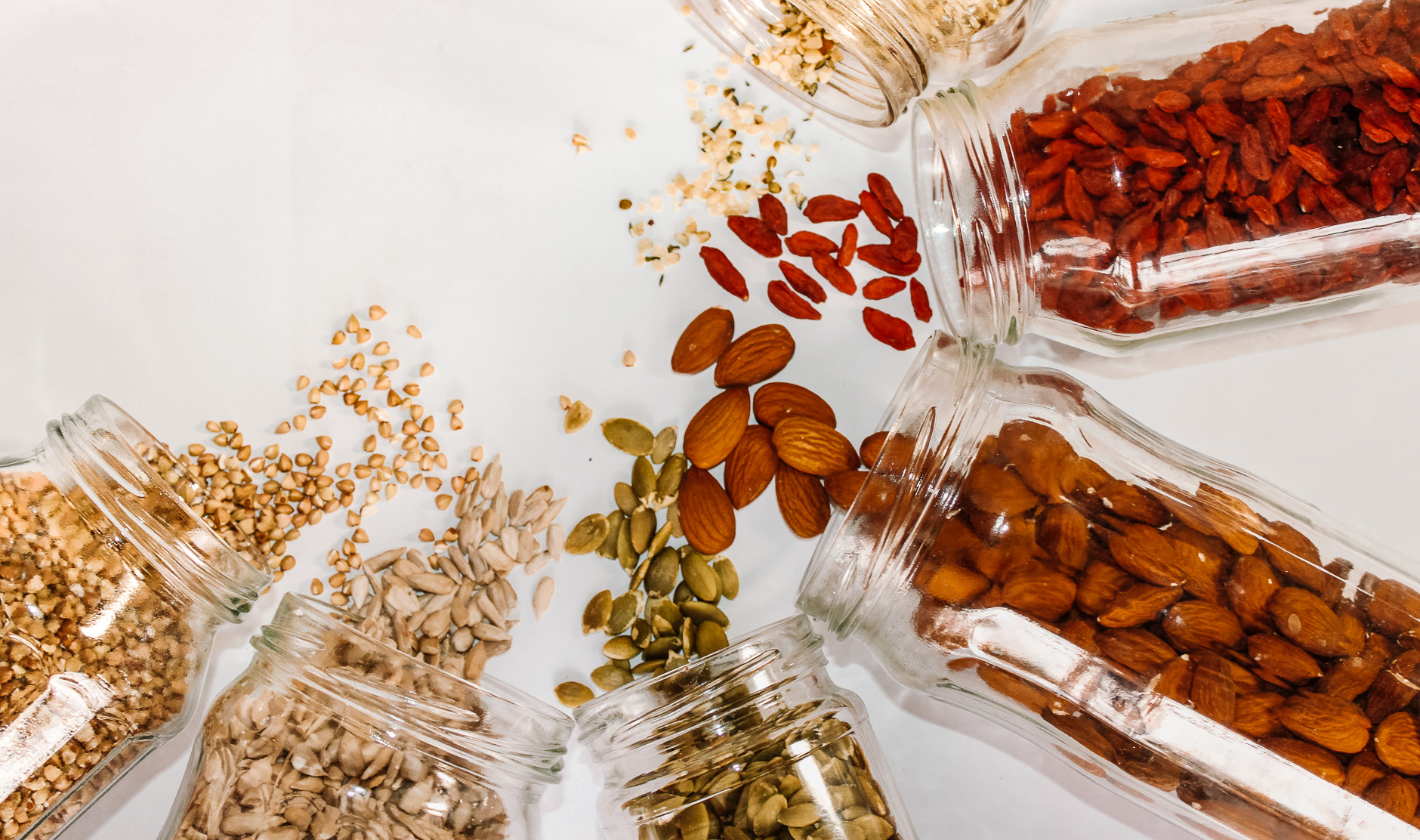
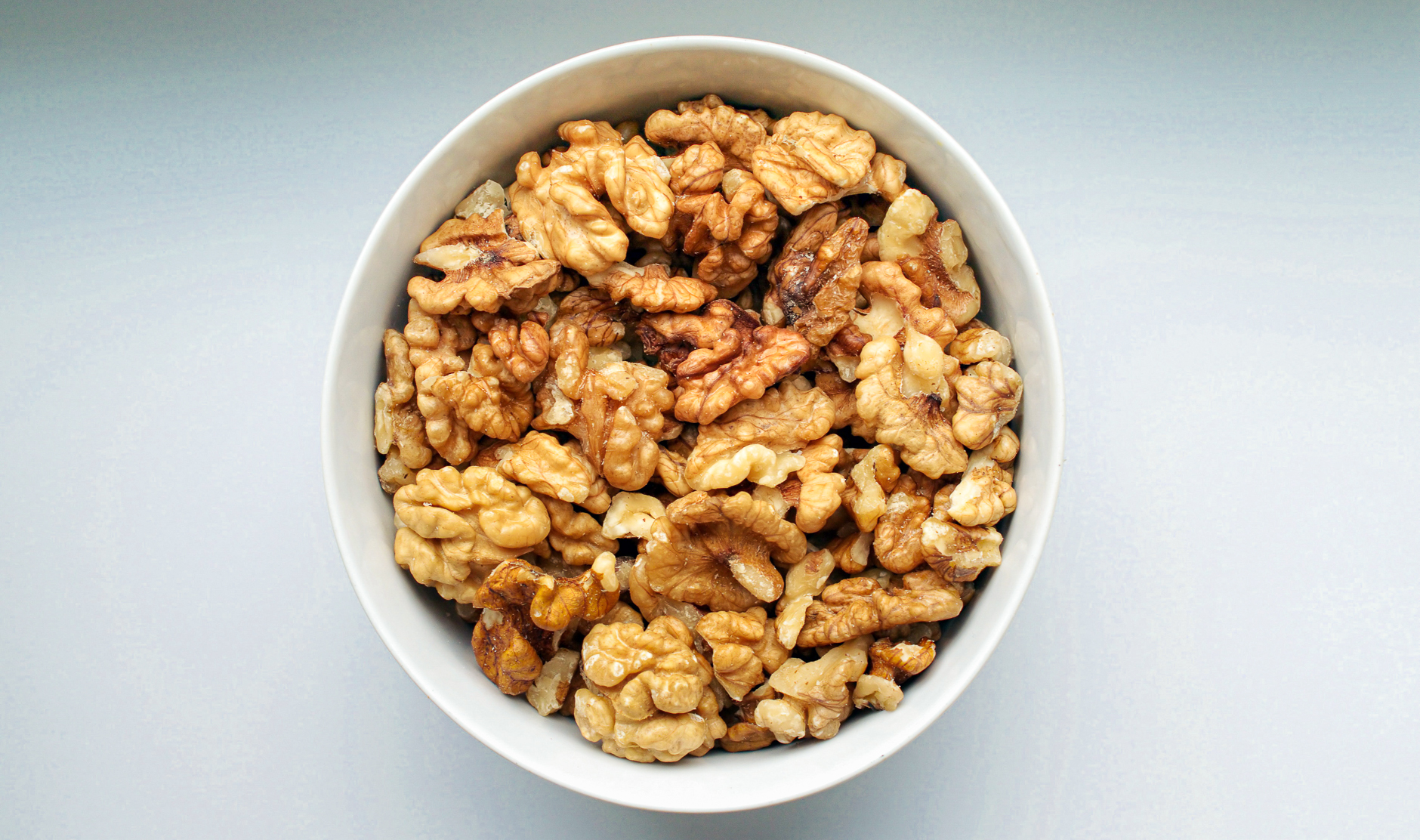
- Reduce the frequent intake of sweets. Healthier and tasty alternatives include salt-free nuts and seeds (walnuts, almonds, hazelnuts, etc.)
- Reduce sugary drinks (such as cola drinks, orangeade, etc.); instead, encourage water consumption as a priority.
- Reduce the sweet bakery and confectionery intake.
- Reduce chocolate creams, puddings, mousses and other products as common desserts after meals.
- Reduce the frequent consumption of fast food.
- Reduce the excessive consumption of processed, precooked meat foods and derivatives that have higher fat contents, such as sausages, patés, etc.).
- Reduce the presence of precooked meals (cannelloni, lasagne, croquets, tuna, pastries, pizzas, batters, pre-fried potatoes and other industrial preparations).
- Reduce the time allocated to “screen activities”, like TV, computer and consoles to less than 2h per day.
 Reduce the fat intake and the frequent consumption of fast food.
Habits to be promoted:
- Promote the intake of fresh and seasonal fruit as a regular dessert after meals and as a supplement for breakfast and afternoon meals. To benefit from all fruit nutrients, enjoy it whole.
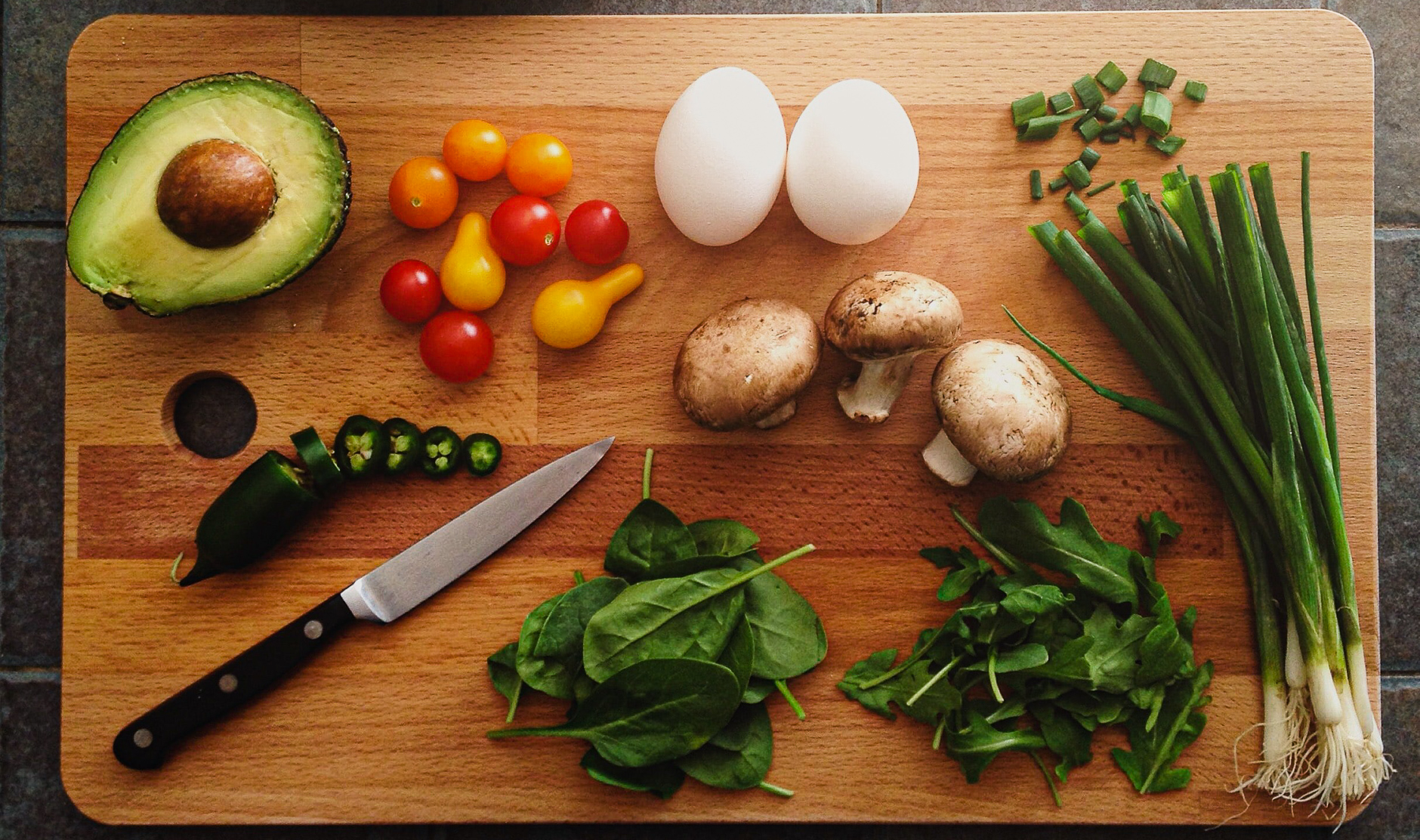
- Promote the consumption of seasonal vegetables as a starter or garnish with the main course at different meals. Make sure salads are regularly available. To master this point, try also to eat some raw vegetables instead of cooked ones.
- Promote legumes and raw or salt-free roasted nuts consumption.
- Promote whole grain starchy products in front of other options (whole grain bread, pasta, and rice).
- Promote dairy products made from skimmed or semi-skimmed milk, if possible. Eat them as milk, yoghurt, and cheese.
- Promote the presence of whole grain bread in different meals.
- Use olive oil or rapeseed oil for dressing and cooking, as it will reduce the risk of cognitive impairment and controls cholesterol levels and blood pressure.
- Promote low salt content usage and food preparation. Use iodised salt.
- Promote drinking water as the main vital drink in meals, as well as between meals. It is crucial to drink plenty of water to have a normal fitness level and maintain cognitive function. Moreover, it will also help for heat-regulation and a proper functioning of our metabolism.
- Try to lead an active lifestyle that includes
moderate/high intensity activities such as walking, running, playing in the
park, doing exercise, etc. This will support your good health in many ways:
- an increase in the quality of life making us feel fit
- a better regulation of our blood glucose level
- a reduction of the total cholesterol in our blood, and an increase of the good (HDL) cholesterol
- a lower risk of heart related diseases and osteoporosis
- an increased lung capacity
- insomnia prevention
- a better mood
Children and young people should exercise at least 60 minutes a day The recommendation for adults is at least 150 minutes of moderate-intensity areobic physical activity throughout the week or to do at least 75 minutes of vigorous-intensity areobic physical activity throughout the week or an equivalent combination of moderate and vigorous-intensity activity.
 Exercising every day has many health benefits, both in children and in adults
In addition, it is also important to:
- Have breakfast everyday: not having breakfast increases the obesity risk and reduces our cognitive capacity and vitality during the day. Children and young people who skip breakfast are more likely to have a metabolic syndrome and a lower school achievement. Try to include a variety of foods from the three following groups: cereals, dairy products and fruit.
- Distribute your daily food intake in 5 meals. Through this, you will achieve a balanced diet throughout the day and will prevent long periods of time without eating or excessively large meals. Moreover, it will be easier to avoid eating between hours.
- Sit down to eat, do not rush and chew slowly. Do not do any other activity while you are eating. Watching the TV, playing videogames or other activities is not recommended. Instead, make the most of your time and encourage family discussions.
- Eat with your family or with other adults. It will foster a good atmosphere and offer an example for others, guaranteeing the acquisition of healthy habits.
- Plan meals in advance so that they cover the nutritional needs and supplement the school meals if it is the case.
- Invite children to participate in food or healthy menu selection, as well as in food preparation.
- Encourage children to taste new food.
- Serve portions according to each age. Children will require different amounts of energy depending on their age, gender, activity, …