
Cooking techniques to maximize nutritional value: tips and tricks
What are the best ways to prepare food? Discover the benefits of different cooking techniques
The nutritional value
of food is almost always altered by the kind of processing it undergoes. Eating
cooked food helps facilitate the digestion process and makes it easier to
absorb many nutrients. However, it may as well reduce the levels of some vitamins
and minerals. Vitamins can be destroyed due to factors such as heat, air, and
light. Through lixiviation vitamins and minerals are also lost. Therefore,
knowing how to handle and cook products will help retain the nutrients present
in the food. If you want to know how different cooking techniques affect the
nutritional value of food, keep reading!
Before cooking:
- Vegetables should be well rinsed just before using them.
- Peel the vegetables skin as thinly as possible, and only when necessary. Many vegetables have a higher concentration of nutrients just below the skin.
- Cut veggies into large pieces or cook them whole to preserve water-soluble vitamins and minerals.
- Use (when available) the outer layers and leaves of vegetables such as lettuce and cabbage. Those have a higher concentration of Vitamin C and carotenoid than the ones in the interior.
- Avoid losses due to leaching by not soaking vegetables in water for long times.
- Prepare salads just before serving.
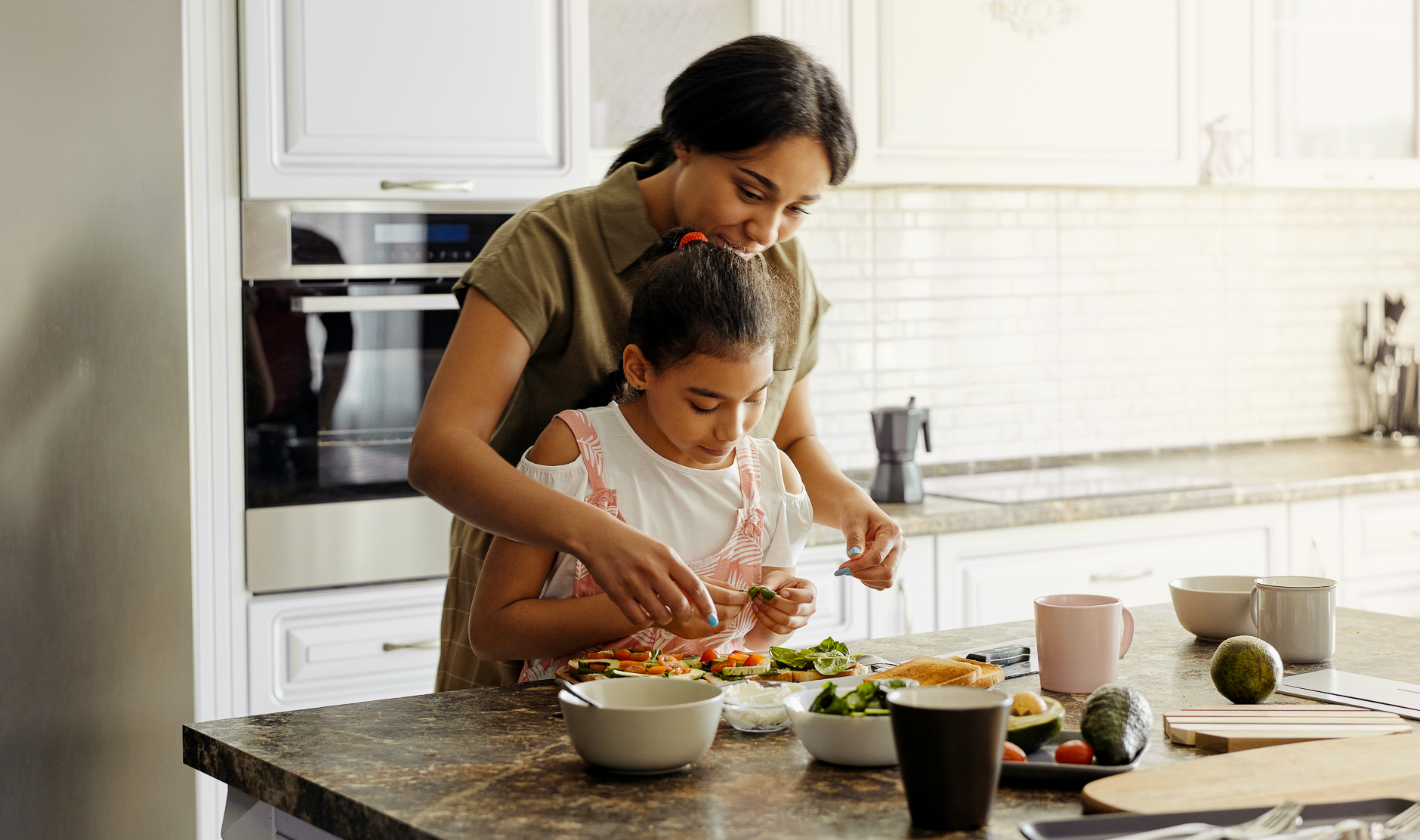
 A correct preparation of vegetables is essential to preserve their nutrients
Boiling:
Water-based cooking
methods cause great losses of water-soluble vitamins and minerals due to
leaching and because of the high temperatures. Some ways to avoid these
problems are the following ones:
For vegetables:
- Use as little water as possible and keep the vessel covered.
- Prioritize the use of pressure cookers. If not possible, boil for the shortest possible time.
- To reduce the cooking time, cover the pot. Steam and heat will reduce it.
- Soak the food with boiling water. When using frozen vegetables, cook them directly.
- Use the cooking water for other dishes such as soups, purees, creams and sauces.
- When preparing purees, consume it immediately, avoiding the oxidation caused by the introduction of oxygen when using the mixer.
For other foods:
- Cook the legumes after soaking them in cold water for about 8 hours (not required for lentils).
- Keep eggs boiling for 10 minutes.
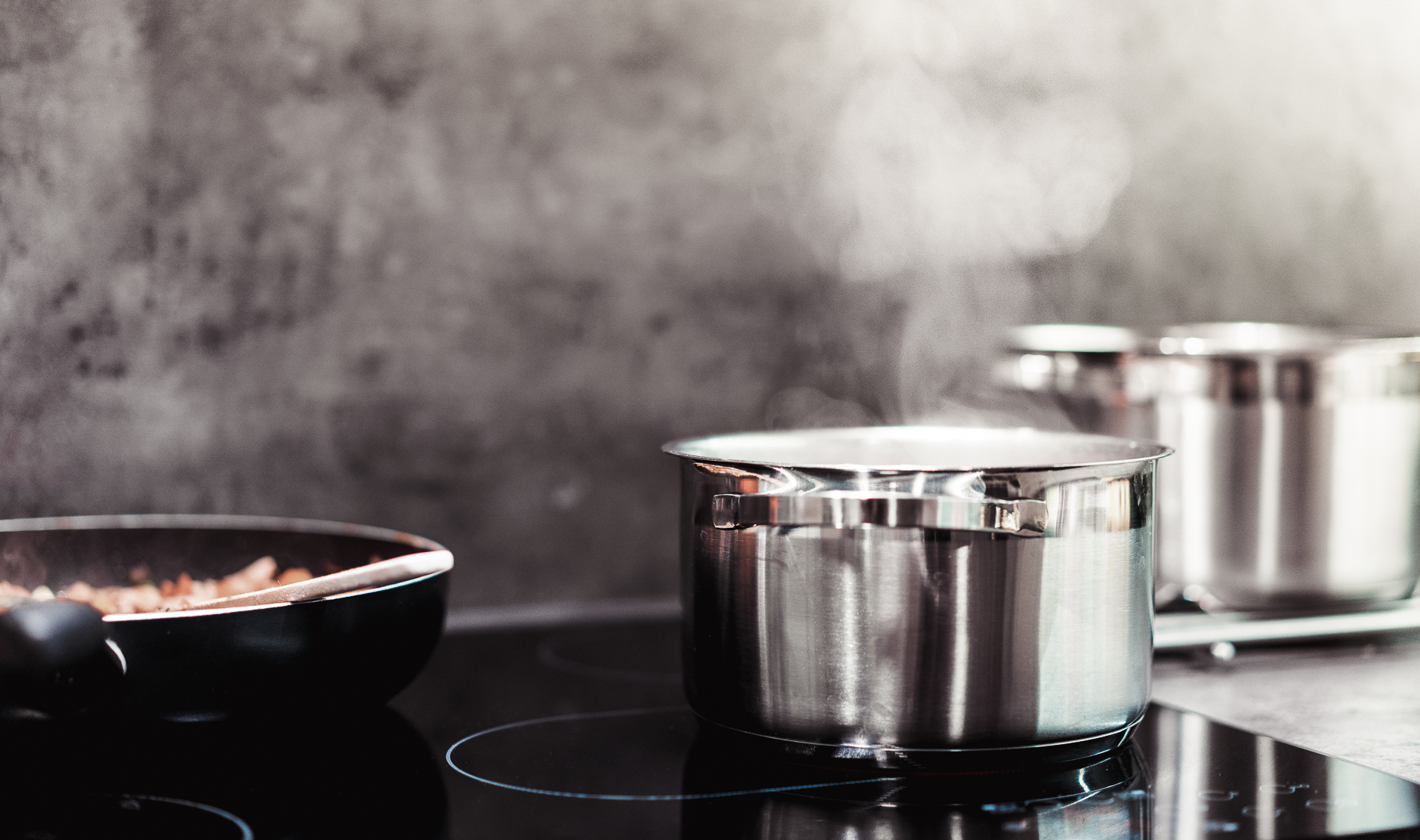
 When boiling, try to use as little water as possible
Consider other cooking
methods like:
- The pressure cooker: allows food to be cooked in a very short time, requires less liquid and ensures a better conservation of most of its nutrients.
- Microwave: offers the option of cooking vegetables without water, ensuring the preservation of their properties.
Frying
Frying consists of cooking food in a large amount of fat, usually oil, at a high temperature. Through this process, there is a transfer of fat to food, that can range from 10% up to 40%, increasing the overall caloric value. Moreover, when the oil is heated to a high temperature for a long time, some toxic substances (aldehydes) are formed. Aldehydes have been linked to a higher risk of suffering cancer and other diseases. There are many variables that affect the number of aldehydes produced, such as the type of oil, the temperature, and the length of cooking time. Some tips to avoid these problems are:
- Use olive oil. Olive oil has a higher smoke point (210ºC) and withstands higher temperatures.
- Don’t mix olive oil with other oils with a lower smoke point.
- Use an abundant amount of oil to dip de food in.
- Fry at 180ºC in a conventional fryer and between 160-165ºC in a high efficiency fryer. Check the temperature before introducing new foods. Fill the fryer basket halfway to the maximum to prevent that the product cools the oil.
- Introduce the food when the oil has reached the appropriate temperature. Thus, the hot oil will from an outer crust, preventing the penetration of the oil into the food.
- To fry frozen products, enter just the right amount of the food to avoid a drop in the oil temperature.
- Choose foods with a lower surface/area ratio: For example, for potato chips, a straight medium-thick cut (14mm).
- When frying fish, use the thinnest cuts or portions.
- When frying meat, it is better a not excessively thin cut, since in this way their juices and nutrients are better preserved.
- When frying vegetables, bread or coat them previously to form a crust. It will prevent the interior from absorbing the oil, avoiding the loss of nutrients and the softening of the food.
- Cook until a golden-brown colour is reached.
- Consume the liquid left in the pan after cooking.
- Once fried, place the food on absorbent paper or a grid to remove the excessive oil.
- Quickly filter the used oil to remove the particles that remain in it. Deposit it in a closed dark place.
- When using a deep fryer, clean the oil after each use.
 Although it is very tasty, frying is not the best cooking option, due to the fat transfer from the oil to the food
Roasting and grilling:
Roasting and grilling are closely related cooking methods, both using indirect dry heat to cook the food. There are some concerns associated with grilling, due to the generation of hazardous substances (polycyclic aromatic hydrocarbons, PAHs), which have been associated with cancer. Some tips related with roasting and grilling are:
- Consider the size, weight and type of food. For example, meats require more time and less temperature to be cooked.
- Avoid the loss of juices by not puncturing or crushing the piece while roasting it.
- Avoid water loss by salting food when it starts to take colour.
- Maintain the flavour, aroma and nutrients of fish and vegetables by cooking them in “papillote”.
 Not only meat can be roasted or grilled!
When grilling meat:
- Start with a high temperature to form a scab on the surface. This will prevent water to drip, better preserving the nutrients inside.
- Don’t expose meat directly to open flames or to a hot metal surface.
- Use the microwave to pre-cook meats before barbecuing them. It reduces the exposition time to high temperatures.
- Turning the meat continuously on the grill considerably reduces the formation of toxic compounds.
- Do not eat the burned meat pieces and avoid the juices it gives off.
![¿Qué combinaciones de alimentos incrementan la absorción de nutrientes? [con ejemplos]](https://aifoodtech.aitalentum.com/uploads/cms/62ac2302693fba0b2cd2071819aea984.JPG)