
Good and Bad fats: a guide through fats
Why are fats useful? What are the different fat types? Learn all you need to know about fats and their benefits
Why are fats useful?
Fat is the richest source of dietary energy available in the diet and can contribute to weight gain. However, fat is also involved in other functions of our body:
- Keeping the skin and hair healthy
- Helping to absorb the fat-soluble vitamins
- Insulating the body to help keep it warm
The structure of the building blocks of dietary fat, known as fatty acids, determines their health effects. Whilst some fatty acids are essential components of the diet, others can be detrimental. As with most nutrients, recommendations exist to help establish a good dietary balance.
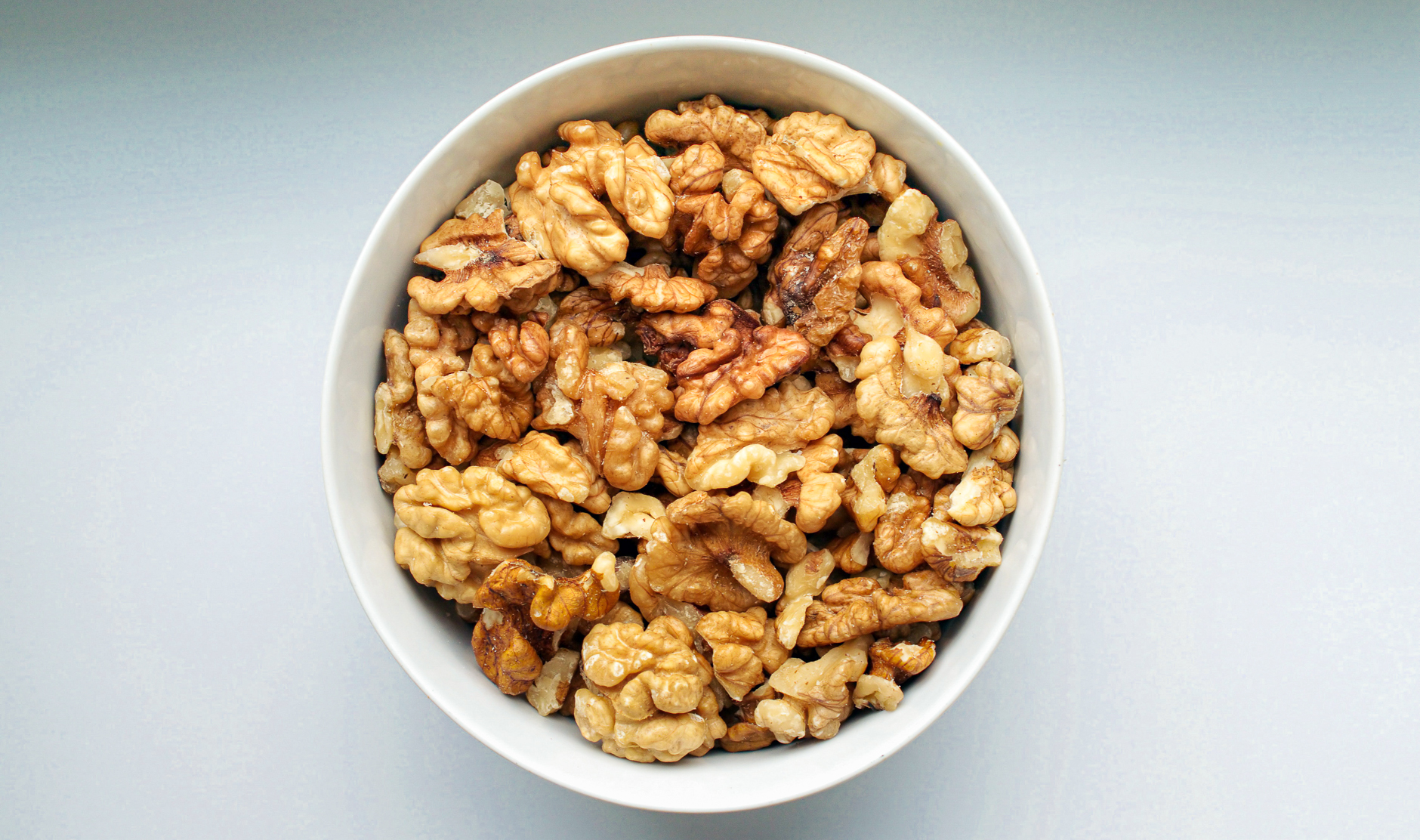
 Nuts are rich in polyunsaturated fats and may have many health benefits
What are the different fat types?
Fats are saturated or unsaturated depending on
how much of each type of fatty acid they contain.
Saturated fats raise high density lipoprotein
(LDL; the “bad” cholesterol), which may increase the risk of cardiovascular
diseases and other major health problems. Foods containing this type of fat
should not be removed from the diet but included in moderation. Examples of
this kind of products are butter, cheese, whole milk, ice cream, cream, and
fatty meats. Some vegetable oils, such as coconut, palm and palm kernel oil
also contain saturated fats.
Trans fats, also called trans-unsaturated fatty acids or trans fatty acids, are more harmful, since they have a double effect: not only they increase LDL (the “bad”) cholesterol levels, but they also reduce the HDL (the “good”) cholesterol levels. Trans fats are found in foods industrially made with vegetable oils and are found in snacks and salty snacks such as potato chips, sticks, cookies, pizzas, margarine, cereal bars or hamburgers. These fats should be avoided.
 Avoid trans fats, they increase your bad cholesterol levels and decrease your good cholesterol levels
Some unsaturated fats are considered to be
beneficial since they can improve blood cholesterol levels, ease inflammation,
stabilize heart rhythms, and play several other beneficial roles. There are two
types of “good” unsaturated fats:
- Monounsaturated fats, which are found in high concentrations in: olive, avocados, nuts (such as almonds, hazelnuts, pecans) and seeds (such as pumpkin and sesame).
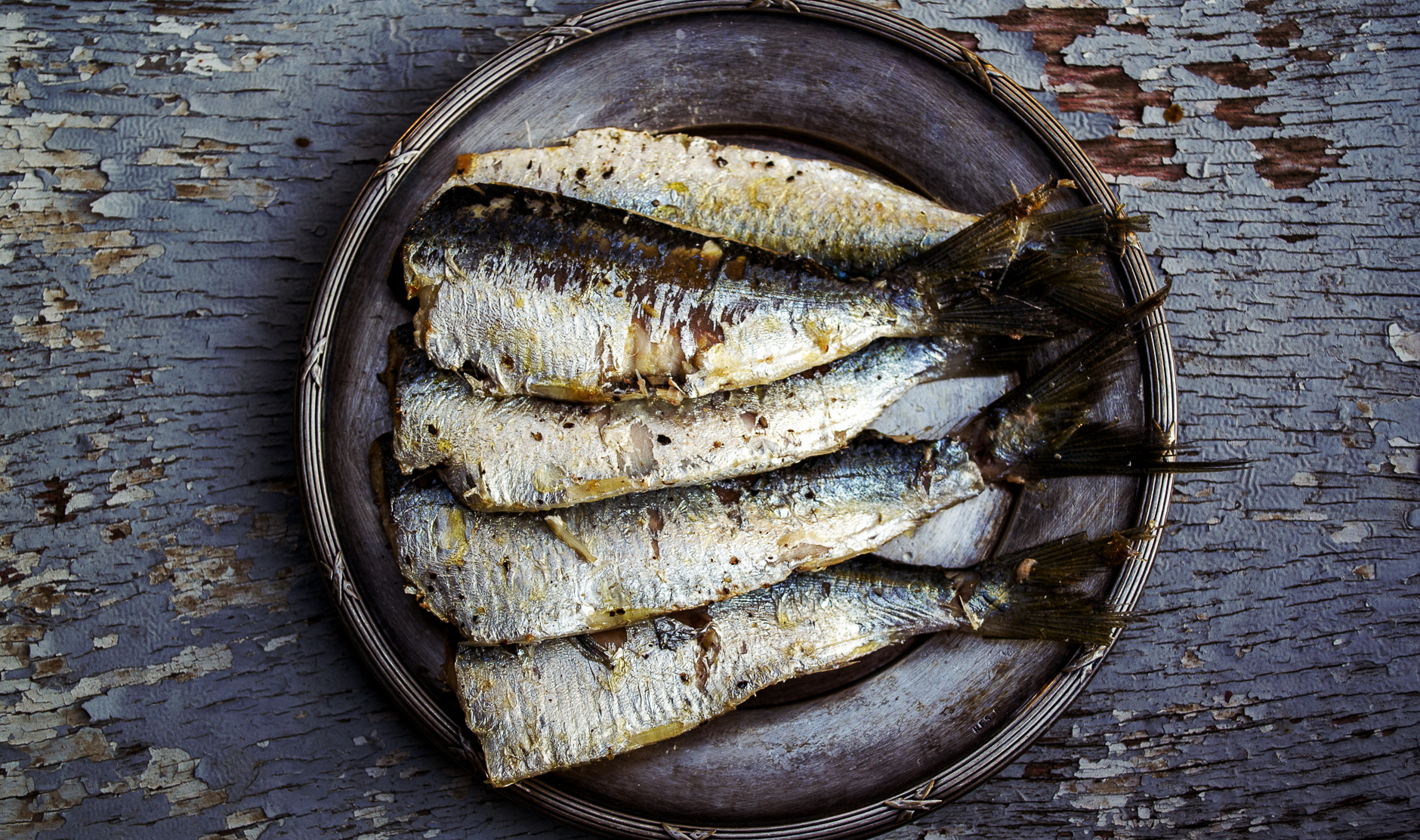
- Polyunsaturated fats can be found in high concentrations in sunflower, soybean, and flaxseed oils, walnuts, flax seeds and fatty fish. Among this kind of fats, Omega-3 Polyunsaturated fatty acids are considered essential for humans. Some of the health benefits related with these fatty acids are the prevention of macular degeneration, cardiovascular diseases, age related mental decline and degenerative diseases as Alzheimer’s and Parkinson diseases. They also seem to be important for pregnant people due to the positive effect on the visual and cognitive development of the baby.